Carrier serial number age, with Bryant
A Carrier serial puts the week first and the year second: four digits, then a letter, then five digits. Bryant uses the same layout, so one rule covers both.
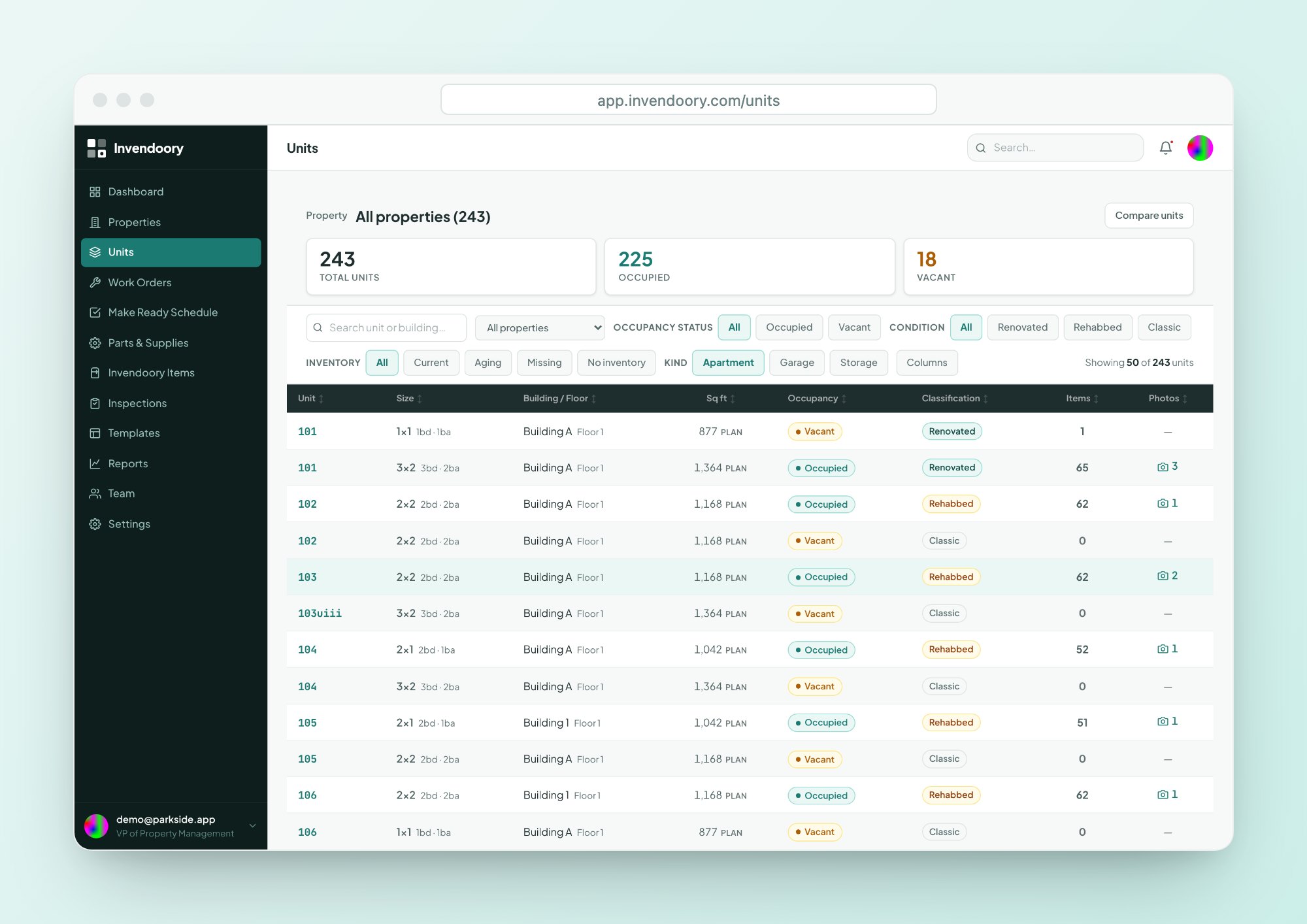
Carrier serial number lookup: check a Carrier or Bryant serial
Use the serial from the rating plate on a furnace, air handler or outdoor unit. The result is a build week and year, which is an estimate. The rating plate and Carrier are the authority.
Where to find the Carrier serial number
The serial number is on the rating plate of the furnace, air handler or outdoor unit. Carrier-family plates often print both a model number and a serial number a few lines apart, so read the line labeled serial. A Carrier serial number lookup only works on that line.
On a split system, photograph the indoor and outdoor plates. They are separate units with their own serials, and the indoor unit may be older than the condenser or the other way around.
A Carrier plate can print a manufacture date, such as October 2006. When it does, it confirms the decode. The sample serial below carries exactly that check, which is why it is a good one to learn from.
Carrier serial number age: how to read the code
From about 1985 to now, a Carrier serial is four digits, a letter, then five digits. The first two digits are the week of the year. The next two are the year.
| Part | Meaning | Example: 4006A17330 |
|---|---|---|
| Digits 1 and 2 | Week of the year | 40 |
| Digits 3 and 4 | Year | 06 = 2006 |
| Letter | Not part of the date | A |
| Last five digits | Running number | 17330 |
4006A17330 is week 40 of 2006, and its tag prints October 2006. Other examples from the references: 3709E07806, a Bryant serial, is week 37 of 2009. 0519E28045 is week 5 of 2019, and 2111Q76606 is week 21 of 2011.
Week first, year second: why Carrier is easy to misread
Most date codes put the year first. Carrier serial number age works the other way round. The first pair of digits is the week, and the second pair is the year. The same rule applies to a Bryant serial number.
Read 3709E07806 left to right as a year and you get 2037, which has not happened. Read it as week 37 and year 09 and you get 2009. That is why the tool shows a week and a year, such as “Week 37 of 2009”, rather than a month.
A week number is not a month, but it converts easily. Week 40 lands around the start of October. If you need a month for a form, use the tag’s printed date when there is one, and treat a month from a week as approximate.
Because the first pair must be a valid week, the layout has a built-in check. A serial starting 6012 cannot be right. If the tool says it can’t date yours, you may have copied it wrong.
Bryant, Payne and the limits of the Carrier rule
Bryant: covered
Bryant uses the identical layout, according to two references. Bryant is the second brand in the tool’s label, and the 3709E07806 example above is a Bryant serial.
Payne: not verified
Payne is owned by Carrier, and one reference lists it as a related brand. We found no source showing Payne’s serial format, so the tool does not name Payne. Don’t rely on the tool for Payne.
Before 1985: not read
Older Carrier-family units use letter and week codes this tool does not read. If the plate has a different shape, the tool says it can’t date it, and you should rely on the plate or the manufacturer.
How long Carrier furnaces and air conditioners last
Sources give a spread, and none is specific to Carrier. Plan with the lower end of each range.
| Equipment | NAHB (2007) | InterNACHI | Fannie Mae multifamily |
|---|---|---|---|
| Furnace | 15 to 20 years (gas 18, electric 15) | 15 to 25 | 20; 25 at unit level |
| Central air conditioner | 10 to 15 | 7 to 15 | Not listed separately |
| Heat pump | 16 | 10 to 15 | 15 (condensing component) |
The Department of Energy uses 15 years as the average residential air-source heat pump life, and Lennox says central air conditioners typically last 15 to 20 years. See HVAC lifespan.
What a Carrier date means for replacement planning
Carrier furnace age is what turns a serial into a budget line. The tool turned 4006A17330 into week 40 of 2006. In October 2026 that unit is about 20 years old, at the top of NAHB’s 15 to 20 year furnace range, past the Department of Energy’s 15-year furnace prompt and still inside InterNACHI’s 15 to 25 years. It is on a watch list, not necessarily a replacement list. Condition decides.
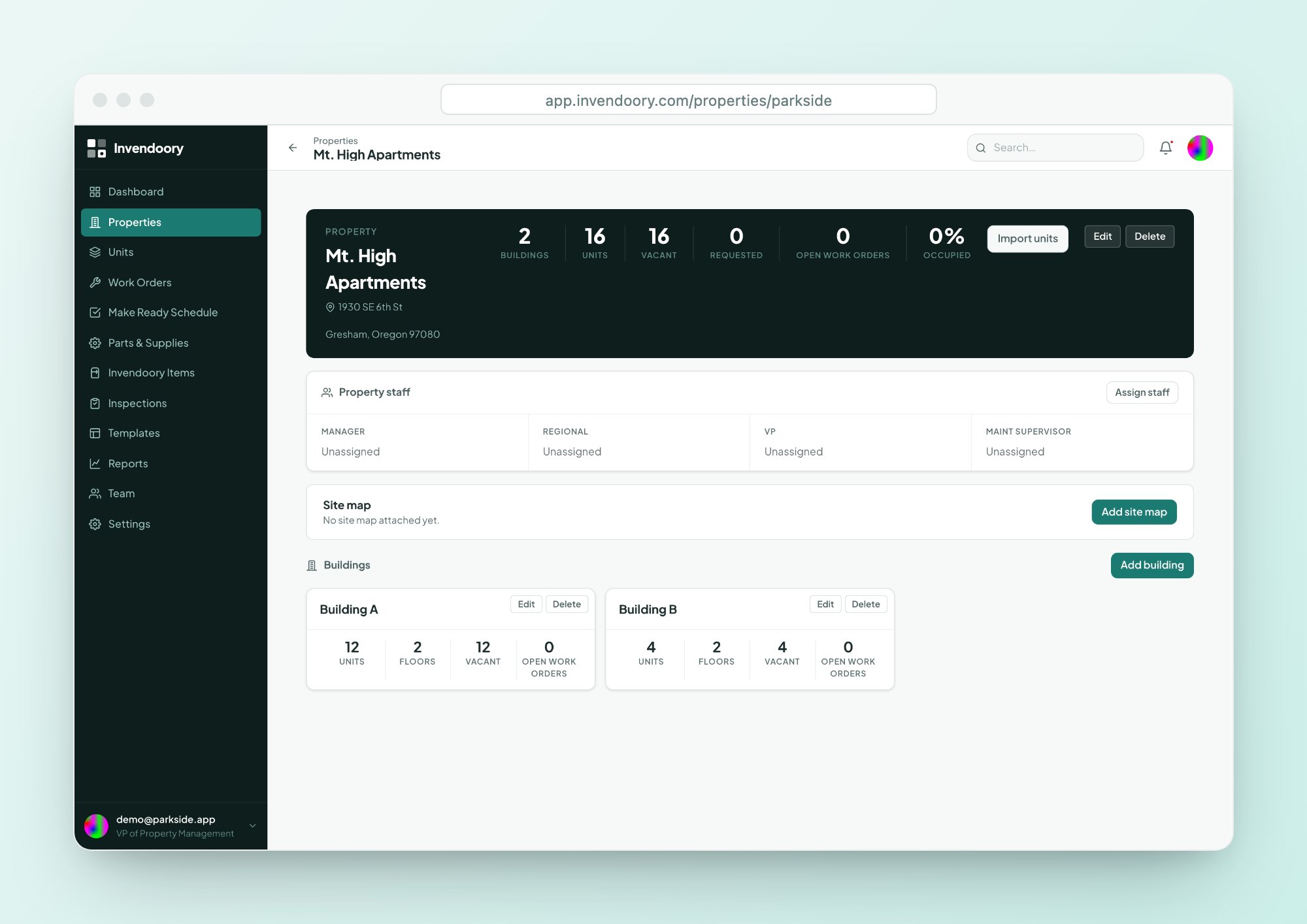
Put the serial, plate photo and install date on the item in the asset inventory. The life-used bar shows where each system sits, and Repair, Monitor or Replace guidance combines age with condition from the last inspection.
Then roll up the cost. The Budget Projection report compares budget and spend by category, so the systems nearing the end of their range turn into a number for next year. Keep the plate photo with the item so the age holds up during a move-out dispute.
- Photo of each rating plate with the item
- Life used shown by color: green, amber, red
- Warranty badge and 30-day expiry heads-up
Carrier serial number questions
How do I find Carrier serial number age?
Read the first four digits. The first two are the week and the next two are the year. For 4006A17330, that is week 40 of 2006. Enter the serial above for the estimate and the life left.
Does the same rule work for Bryant?
Yes. Two references say Bryant uses the identical layout, and the tool’s brand label is Carrier / Bryant. Payne is Carrier-owned, but we found no source for its format, so we don’t claim it.
Does this work for Payne?
Not that we can confirm. Payne is a Carrier brand, so its serials may follow a similar layout, but we found no source for the Payne format and the tool does not name it. If you try a Payne serial, check the result against the manufacture date printed on the plate.
Why does the tool show a week instead of a month?
Because Carrier’s code stores a week. Only the tag’s printed date, when there is one, gives a month. Week 40 is roughly early October, but treat any month converted from a week as approximate.
What if my Carrier unit is older than 1985?
Older Carrier-family units use letter and week codes that the tool doesn’t read. It will say it can’t date the serial. Look for a printed manufacture date on the plate, or ask Carrier.
Is the date exact?
No. It is an estimate of when the unit was made, built from third-party references. Install is usually a few months later. Carrier and the rating plate are the authority.
Sources
- Building Intelligence Center, Carrier HVAC age
- PickHVAC, Carrier HVAC age
- PickHVAC, Bryant HVAC age
- NAHB and Bank of America Home Equity, Study of Life Expectancy of Home Components (2007) (Appliance figures are based on first-owner use.)
- InterNACHI, Estimated Life Expectancy chart
- Fannie Mae, Multifamily Property Condition Assessment, Appendix F Estimated Useful Life Tables (Form 4099.F, 10/14)
- Lennox, How Long Do Air Conditioners Last?
- U.S. Department of Energy FEMP, Purchasing Energy-Efficient Residential Air-Source Heat Pumps (15-year average heat pump life used in cost calculations.)
- U.S. Department of Energy, Energy Saver Guide (2022)
Checked October 2026.
Plan the next HVAC replacement from real dates
Open the demo to see life used on a unit’s items and a budget compared with spend. No signup and sample data only.