Trane serial number age, including American Standard
Trane changed its serial layout in 2002 and again in 2010. The tool reads both newer layouts, covers American Standard, and says plainly when a serial predates 2002.
Check a Trane or American Standard serial number
Use the serial from the rating plate on a furnace, air handler or outdoor unit. The result is a build week and year. It is an estimate, and the rating plate and Trane are the authority.
Where to find the serial number on a Trane unit
The serial number is on the rating plate of the furnace, air handler or outdoor unit. Count the characters before you work out Trane serial number age. Length is the quickest way to tell the two newer layouts apart: ten characters means 2010 or later, and nine means 2002 to 2009.
Photograph the plate. Some plates print a date as well, in the form month and year. One documented plate shows 3/2017 beside its serial, which confirms the decode.
Trane sells under more than one badge. If the plate says American Standard, the same rules apply for units from 2002 on.
Trane serial number age: how the year and week are encoded
There are two layouts the tool reads. Both put the year first, then the week of the year.
| Era | Length | How it reads | Example |
|---|---|---|---|
| 2010 to now | 10 characters | First two characters = year; next two = week | 17103N6MF4 is week 10 of 2017 |
| 2010 to now | 10 characters | Same layout, second example | 11241KADBB is week 24 of 2011 |
| 2002 to 2009 | 9 characters | First digit = year; next two = week | 81422S41G is week 14 of 2008 |
| Before 2002 | Letter codes | Not read by the tool | The tool returns "can't date" |
The 17103N6MF4 plate prints 3/2017, which matches week 10. A second 2009 example is 91531S41F, week 15 of 2009.
Reading 81422S41G
Count the characters. 81422S41G has nine, so it is the 2002 to 2009 layout. The first digit is 8, which means 2008. The next two digits are 14, so week 14. The tool reports week 14 of 2008.
In October 2026, that unit is about 18 and a half years old. NAHB gives a furnace 15 to 20 years, so it is near the end of the range, and it has outlived the Department of Energy’s 15-year prompt.
Compare 17103N6MF4. It has ten characters, so the first two (17) are the year, 2017. The next two (10) are the week. Early March 2017 matches the 3/2017 printed on its plate.
If a serial has the wrong number of characters, the tool will not guess. Check that you copied every character, including letters that look like digits.
Why the tool can't date Trane units from before 2002
Trane serials from 1983 to 2001 used a letter for the year. The sources disagree on the letter chart, and they disagree in opposite directions. Parts Town and PickHVAC run the chart between S (1986) and Z (2001) in opposite directions, and Building Intelligence Center says Z is 2001. With no way to settle it, we left that era out.
So a Trane serial from before 2002 returns “can’t date”. That is deliberate. A wrong decade on a 25-year-old furnace is worse than no answer. For those units, use a printed manufacture date, ask Trane, or work from the building’s year built and your service history.
The newer layouts are well supported. PickHVAC, Building Intelligence Center and Parts Town agree on the 2002-onward rules, so confidence is high from 2002. Still, the tool decodes a build date, and installation is usually a few months later.
American Standard and the Trane family
American Standard: covered
The tool’s label is Trane / American Standard. Building Intelligence Center says the 2002-onward format appears under the Trane, American Standard, Ameristar and Ingersoll Rand names. That is the basis for including American Standard.
Ameristar and Ingersoll Rand
The same reference lists these names under the same format. We name only Trane and American Standard in the tool, so for the others, confirm with the plate.
How long Trane equipment lasts
No source gives a Trane-specific figure. These are the published ranges by equipment type.
| Equipment | NAHB (2007) | InterNACHI | Fannie Mae multifamily |
|---|---|---|---|
| Furnace | 15 to 20 years | 15 to 25 | 20; 25 at unit level |
| Central air conditioner | 10 to 15 | 7 to 15 | Not listed separately |
| Heat pump | 16 | 10 to 15 | 15 (condensing component) |
Lennox says central air conditioners typically last 15 to 20 years. See HVAC lifespan for the full comparison.
Using Trane dates in capital planning and move-outs
Replacement planning is a calendar problem. A Trane furnace built in 2008 and one built in 2017 are both on the property, and the tool tells you which one to price first.
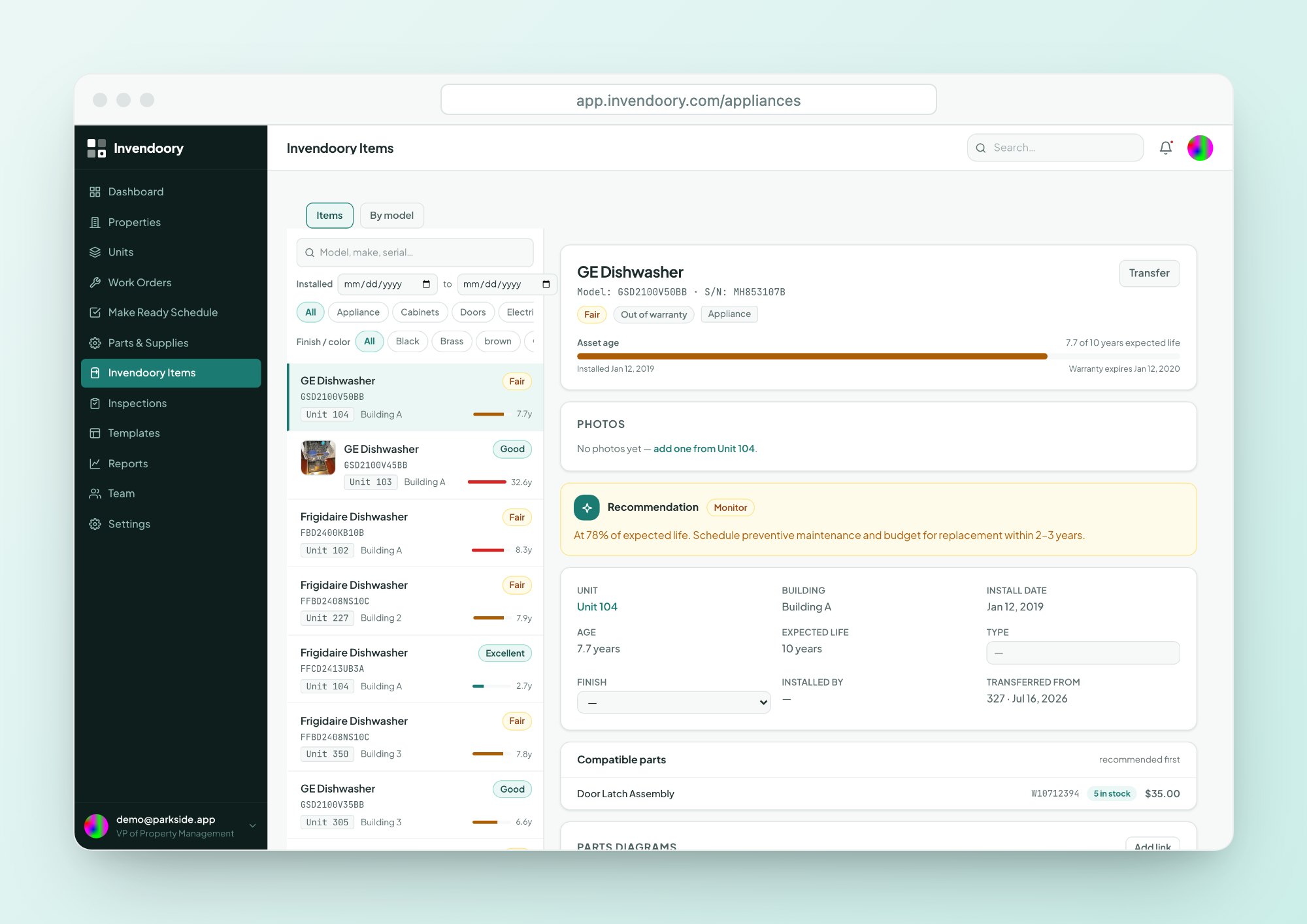
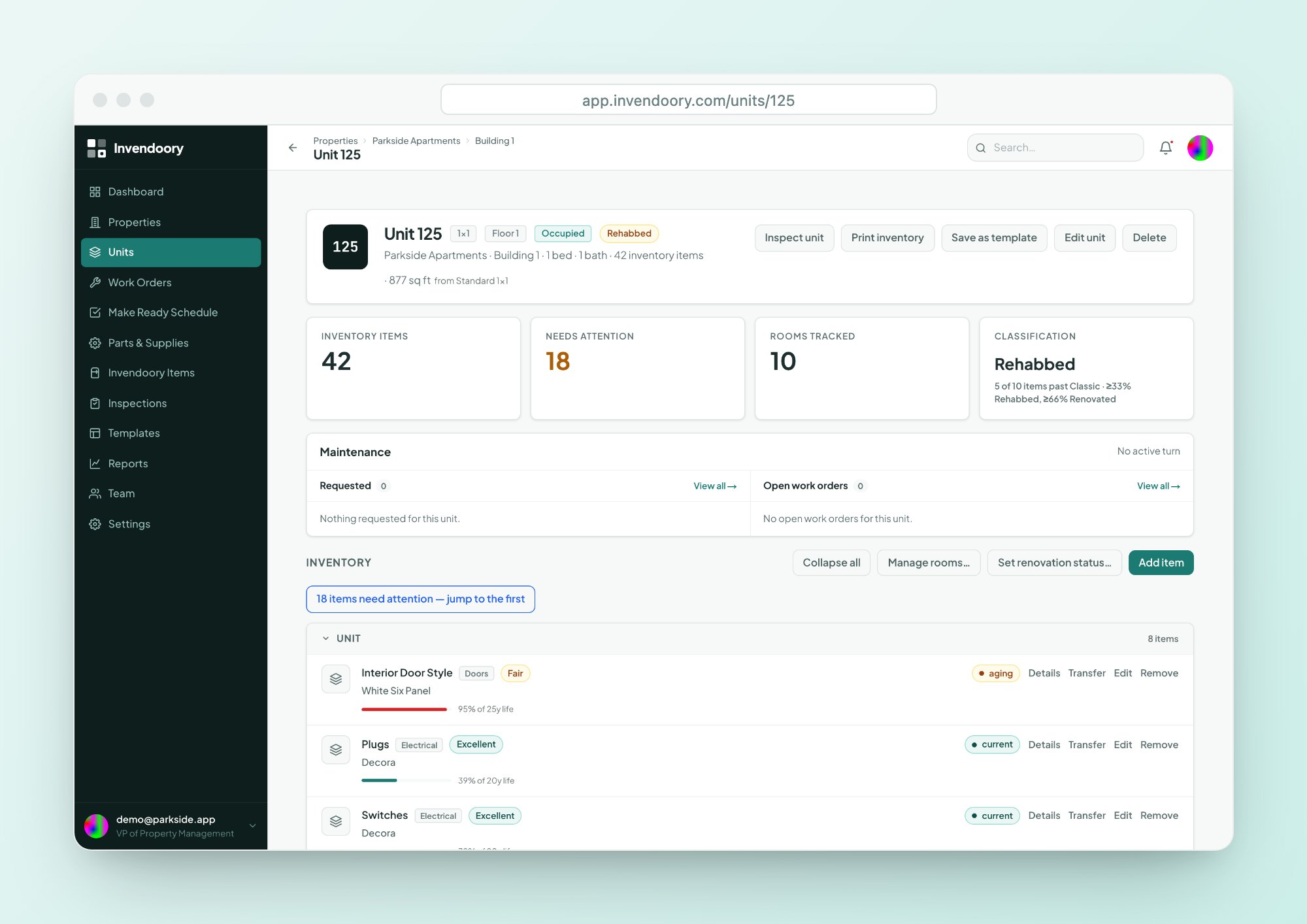
Enter each serial, plate photo and install date in the asset inventory. The units table can show the installed item and its years of life left for a category across a property, so you can sort a building by what is closest to done.
Carry the numbers to the budget. The Budget Projection report compares budget with actual spend by category. For pre-2002 units where the tool gives no answer, enter your best evidence as the install date, and note where it came from.
- Years of life left by category in the units table
- Expected life editable per item
- Notes field for where an estimated date came from
Trane serial number questions
How do I find Trane serial number age?
Count the characters. Ten characters means the first two are the year and the next two are the week. Nine characters means the first digit is the year (2002 to 2009) and the next two are the week. Enter it above for an estimate.
Does the tool work for American Standard?
Yes, for units from 2002 on. The tool’s brand is Trane / American Standard, because a reference lists the same format under both names. For other family badges, confirm with the plate.
Why can't it date a Trane from before 2002?
Older serials use a letter for the year, and the sources contradict each other on the chart. We left the era out rather than risk a wrong decade. Use a printed date on the plate or ask Trane.
Why does the tool show a week, not a month?
Trane’s code stores the week of the year. Week 10 is early March. A month converted from a week is approximate, so use the plate’s printed date when it has one.
How reliable is the date?
Confidence is high from 2002, since three references agree, but none is from Trane. It is an estimate of when the unit was built. Trane and the rating plate are the authority.
Sources
- PickHVAC, Trane HVAC age
- Building Intelligence Center, Trane HVAC age
- Parts Town, Trane serial number lookup
- NAHB and Bank of America Home Equity, Study of Life Expectancy of Home Components (2007) (Appliance figures are based on first-owner use.)
- InterNACHI, Estimated Life Expectancy chart
- Fannie Mae, Multifamily Property Condition Assessment, Appendix F Estimated Useful Life Tables (Form 4099.F, 10/14)
- Lennox, How Long Do Air Conditioners Last?
- U.S. Department of Energy, Energy Saver Guide (2022)
Checked October 2026.
See which systems are nearing the end of their range
Open the demo to see years of life left by category across a property. No signup and sample data only.